

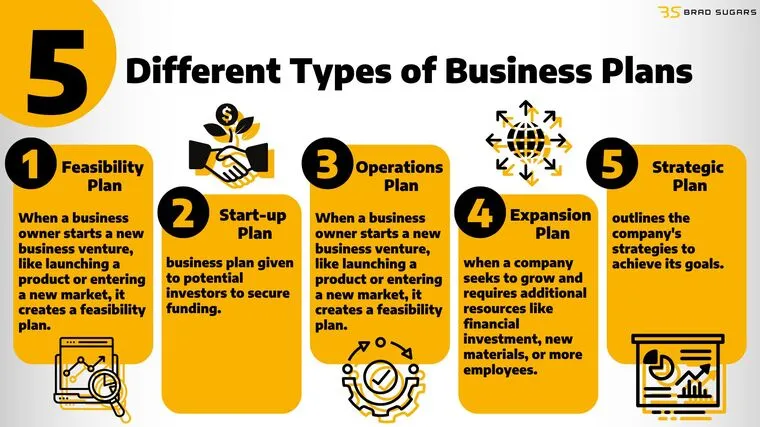
Effective business planning is the backbone of sustainable growth and long-term success in today’s highly competitive and rapidly changing global economy. Businesses that focus on structured planning are better equipped to manage risks, adapt to market shifts, and maintain consistent profitability. A strong plan not only defines direction but also aligns resources, improves decision-making, and ensures long-term stability in uncertain environments.
Strategic Business Goal Setting
Clear Vision And Mission Development
A strong business starts with a clearly defined vision and mission that explains its purpose and long-term direction. This foundation helps guide all decisions, align teams, and ensure every activity contributes toward meaningful organizational growth and sustainable success in the competitive marketplace.
SMART Goal Implementation Strategy
SMART goals help businesses create structured and achievable objectives by making targets specific, measurable, achievable, relevant, and time-bound. This approach improves focus, reduces confusion, and ensures consistent tracking of progress across all departments, leading to better performance and stronger accountability throughout the organization.
Long Term Growth Planning
Long-term planning allows businesses to prepare for future opportunities and challenges by setting realistic expansion strategies. It ensures that short-term decisions align with long-term objectives, helping organizations maintain stability while gradually scaling operations and increasing market presence over time in a controlled manner.
Performance Based Target Alignment
Aligning goals with performance metrics ensures that employees and departments understand their responsibilities clearly. This improves productivity, encourages accountability, and allows management to measure success effectively while identifying areas that require improvement for better overall organizational efficiency and growth.
Strategic Prioritization Techniques
Businesses must prioritize tasks based on impact and urgency to maximize efficiency. Strategic prioritization ensures that resources are allocated to high-value activities, reducing wasted effort and improving overall business productivity and decision-making accuracy in fast-moving competitive environments.
Market Research And Business Analysis
Industry Trend Analysis
Understanding industry trends helps businesses anticipate changes and adapt strategies accordingly. By analyzing market movements, companies can identify opportunities, avoid risks, and position themselves effectively in competitive environments to maintain long-term relevance and profitability.
Customer Behavior Insights
Studying customer behavior allows businesses to understand needs, preferences, and buying patterns. This information helps in designing better products and services that align with customer expectations, improving satisfaction and increasing long-term loyalty and engagement.
Competitor Analysis Strategy
Analyzing competitors helps businesses identify strengths, weaknesses, and market gaps. This knowledge allows organizations to refine their strategies, improve offerings, and gain a competitive advantage in crowded markets by delivering better value to customers.
Data Driven Decision Making
Using data for decision-making improves accuracy and reduces uncertainty in business operations. Data-driven insights help leaders make informed choices, optimize strategies, and enhance performance across all departments for better overall outcomes.
Market Opportunity Identification
Identifying new market opportunities helps businesses expand and grow sustainably. This includes exploring untapped customer segments, emerging industries, and innovative product ideas that can drive future revenue and long-term success.
Financial Planning And Budget Management
Effective Budget Allocation
Proper budget allocation ensures that financial resources are distributed efficiently across departments. This helps control costs, reduce waste, and maximize returns on investment while maintaining operational stability and financial discipline within the organization.
Cash Flow Management Techniques
Managing cash flow is essential for maintaining liquidity and avoiding financial shortages. Businesses must monitor income and expenses closely to ensure smooth operations and avoid disruptions caused by financial instability or poor planning.
Investment Planning Strategy
Strategic investment planning helps businesses grow by allocating funds to high-return opportunities. Careful evaluation of risks and rewards ensures sustainable financial growth and long-term profitability across different business areas and projects.
Cost Reduction Optimization
Reducing unnecessary costs improves profitability without affecting quality or performance. Businesses can streamline operations, negotiate better supplier deals, and adopt efficient technologies to minimize expenses and improve financial health.
Profit Maximization Planning
Profit maximization focuses on increasing revenue while controlling costs. This involves optimizing pricing strategies, improving operational efficiency, and expanding market reach to achieve stronger financial performance and long-term business sustainability.
Operational Efficiency And Process Improvement
Workflow Optimization Systems
Optimizing workflows helps businesses complete tasks faster and more efficiently. Streamlined processes reduce delays, improve productivity, and ensure smooth coordination between teams across different departments within the organization.
Automation Integration Strategies
Automation reduces manual workload and increases accuracy in repetitive tasks. Businesses that integrate automation tools can improve efficiency, reduce errors, and save time for more strategic and creative activities.
Resource Management Efficiency
Efficient resource management ensures that time, manpower, and materials are used effectively. This reduces waste and improves overall productivity, helping businesses achieve better results with fewer resources.
Quality Control Systems
Maintaining quality control ensures consistent product and service standards. This builds customer trust, improves brand reputation, and reduces errors or defects in business operations.
Performance Monitoring Systems
Monitoring performance helps businesses track progress and identify areas for improvement. Regular evaluation ensures that operations remain efficient and aligned with organizational goals.
Marketing And Brand Development Strategy
Digital Marketing Expansion
Digital marketing helps businesses reach wider audiences through online platforms. Effective campaigns improve brand visibility, attract customers, and increase sales through targeted strategies and content marketing.
Brand Identity Building
A strong brand identity differentiates a business from competitors. Consistent messaging, visuals, and values help build trust and recognition among customers over time.
Customer Engagement Strategies
Engaging customers through communication and feedback improves loyalty and satisfaction. Businesses that maintain strong relationships with customers often experience repeat sales and long-term growth.
Social Media Growth Planning
Social media platforms provide powerful tools for business promotion. Strategic posting, advertising, and interaction help businesses grow their audience and increase brand awareness globally.
Content Marketing Strategy
High-quality content attracts and educates customers while building authority in the market. Content marketing supports SEO, improves engagement, and drives long-term organic traffic.
Risk Management And Business Stability
Risk Identification Systems
Identifying risks early helps businesses prepare for potential challenges. This includes financial, operational, and market risks that could impact business performance.
Crisis Management Planning
Crisis planning ensures that businesses can respond effectively to unexpected events. Having clear response strategies minimizes damage and maintains stability during difficult situations.
Legal Compliance Management
Following legal regulations protects businesses from penalties and legal issues. Compliance ensures smooth operations and builds trust with customers and stakeholders.
Insurance And Protection Planning
Insurance helps businesses reduce financial losses caused by accidents, disasters, or unforeseen events. It provides security and stability in uncertain environments.
Business Continuity Strategies
Continuity planning ensures that business operations can continue even during disruptions. This helps maintain productivity and reduces downtime during emergencies.
Leadership And Team Development
Strong Leadership Practices
Effective leadership guides organizations toward success by making strategic decisions, motivating teams, and maintaining a clear vision for growth and development.
Employee Skill Development
Training employees improves productivity and ensures they have the skills needed to perform tasks efficiently and effectively within the organization.
Team Collaboration Systems
Collaboration improves communication and coordination between team members, leading to better results and increased efficiency in completing business tasks.
Motivation And Incentive Programs
Motivated employees perform better and contribute more to business success. Incentive programs help improve morale and productivity across teams.
Organizational Culture Building
A strong organizational culture promotes trust, accountability, and shared values, creating a positive work environment that supports long-term success.
What is the most important part of business planning?
Clear goal setting and strategic direction are the most important parts.
Why is financial planning important for businesses?
It ensures stability, growth, and proper management of resources.
How does marketing help business growth?
Marketing increases visibility, customer engagement, and sales.
What role does risk management play?
It protects businesses from unexpected losses and disruptions.
Can small businesses benefit from planning strategies?
Yes, planning improves efficiency, growth, and long-term success.
Conclusion
Effective business planning is essential for achieving sustainable growth and long-term success in any industry. By focusing on strategy, financial management, marketing, operations, and risk control, businesses can build strong foundations for stability and expansion. Consistent planning, adaptability, and strong leadership ensure organizations remain competitive and successful in an evolving global marketplace.
