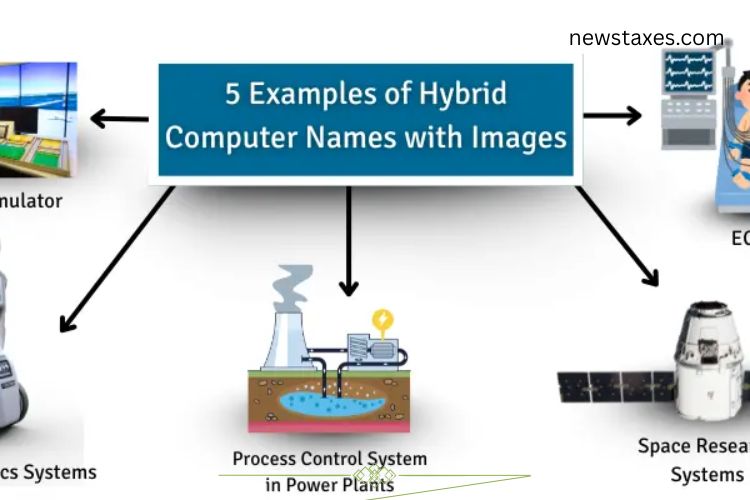
Hybrid computers combine the strengths of both analog and digital computing, delivering real-time data processing alongside rapid calculations. These machines play a critical role in industries where precision, speed, and adaptability are essential. From healthcare to space exploration, hybrid computers are quietly powering some of the most advanced systems in the world. Here are five compelling examples of hybrid computers in action.
Read More: Ultimate Guide to Monitor Types – Discover the Perfect Display for Your Needs
ECG (Electrocardiogram) Machines
ECG machines are life-saving devices that record the electrical activity of the heart. Medical professionals rely on them to detect irregular heartbeats, heart attacks, and other cardiac conditions. These machines are indispensable in hospitals, clinics, and ambulances, offering immediate insights into heart health.
How ECG Machines Work
Small sensors called electrodes are attached to the patient’s skin. These electrodes detect the heart’s electrical signals. The analog component captures the real-time signals, while the digital component converts them into clear numerical and visual data. Doctors then analyze this data to assess heart function accurately.
Applications
- Hospitals: Used in emergency rooms and ICUs for immediate cardiac monitoring.
- Clinics: Assist doctors in routine check-ups to monitor heart health.
- Ambulances: Paramedics monitor patients in transit, ensuring timely intervention.
Benefits
- Provides real-time heart monitoring.
- Enables quick detection of cardiac problems.
- Offers accurate and reliable results.
- Essential during medical emergencies.
Flight Simulators
Flight simulators are essential training tools for pilots, allowing them to experience realistic flying conditions without leaving the ground. These systems are also used to test new aircraft and train military pilots safely.
How Flight Simulators Work
Flight simulators use analog systems to display real-time flight parameters such as speed, altitude, and weather conditions. Meanwhile, the digital system calculates aircraft behavior and responds to pilot inputs, ensuring a realistic flying experience.
Applications
- Pilot Schools: Train new pilots in a safe environment.
- Air Force Training Centers: Prepare military pilots for complex missions.
- Aircraft Testing: Simulate and improve airplane performance without real flights.
Benefits
- Reduces the cost of actual flight training.
- Maintains pilot safety during practice.
- Provides realistic, immersive experiences.
- Simulates multiple aircraft types and weather conditions.
Process Control Systems in Power Plants
Process control systems are hybrid computers designed to monitor and manage machinery in power plants, ensuring efficiency and safety. These systems collect data in real time and make immediate adjustments when needed.
How Process Control Systems Work
Sensors throughout the plant measure parameters like temperature, pressure, and flow. The analog system captures this live data, while the digital system analyzes it and controls machinery accordingly.
Applications
- Power Plants: Regulates electricity production and maintains safe operations.
- Factories: Monitors manufacturing equipment for consistent performance.
Benefits
- Provides continuous real-time monitoring.
- Enables rapid decision-making to prevent accidents.
- Enhances efficiency and reduces operational waste.
- Maintains full control over complex processes.
Space Research Systems (e.g., NASA’s Spacecraft)
Hybrid computers are crucial in space exploration. NASA and other space agencies rely on these systems to monitor spacecraft and assist astronauts in performing complex tasks safely.
How Space Research Systems Work
Spacecraft sensors collect data on temperature, radiation, oxygen levels, and other conditions. The analog component captures these signals, while the digital component processes the data and executes precise decisions, such as adjusting trajectory or controlling onboard systems.
Applications
- Spacecraft Operations: Controls navigation, life support, and temperature regulation.
- Space Missions: Monitors all systems during exploration, ensuring astronaut safety.
Benefits
- Supports real-time decision-making in critical environments.
- Maintains precise control of spacecraft functions.
- Protects astronauts by continuously monitoring life-support systems.
- Tracks environmental conditions like radiation and temperature accurately.
Robotics Systems
Robots in manufacturing, healthcare, and space exploration rely on hybrid computers for real-time decision-making and precise control. These systems allow robots to perform complex tasks safely and efficiently.
How Robotic Systems Work
Robots are equipped with sensors to detect distance, pressure, and other environmental factors. The analog system collects this data, while the digital system processes it to guide the robot’s movements and decisions.
Applications
- Manufacturing: Robots assemble vehicles, electronics, and machinery.
- Healthcare: Assists in surgeries and patient care with robotic arms.
- Space Exploration: Enables exploration of dangerous or inaccessible environments.
Benefits
- Performs hazardous tasks that humans cannot safely execute.
- Enhances precision in manufacturing and medical procedures.
- Operates continuously without fatigue.
- Makes real-time decisions based on sensor input.
Why Hybrid Computers Matter
Hybrid computers offer the best of both analog and digital worlds. They combine fast, accurate calculations with real-time data processing, making them indispensable in high-stakes industries. Whether it’s saving lives in hospitals, training pilots, running power plants, exploring outer space, or advancing robotics, hybrid computers deliver efficiency, reliability, and precision that digital-only or analog-only systems cannot match.
Frequently Asked Questions:
What is a hybrid computer?
A hybrid computer combines the features of both analog and digital computers. It can process real-time data using analog components while performing complex calculations using digital components, offering unmatched speed and precision.
How do hybrid computers differ from regular computers?
Unlike traditional digital or analog computers, hybrid computers merge both technologies. This allows them to handle real-time tasks (like monitoring heartbeats) and complex calculations (like flight simulations) simultaneously.
Where are hybrid computers used?
Hybrid computers are used in industries that require high-speed calculations and real-time monitoring, including healthcare (ECG machines), aviation (flight simulators), manufacturing (process control), space exploration (NASA spacecraft), and robotics.
Can hybrid computers be used in everyday life?
While most hybrid computers are used in specialized industries, some consumer technologies indirectly benefit from hybrid computing principles, such as advanced robotics, smart medical devices, and flight training simulators.
Why are hybrid computers important in space exploration?
Hybrid computers manage spacecraft systems by processing sensor data in real time and making instant decisions, ensuring astronaut safety and mission success.
Are hybrid computers expensive?
Yes, hybrid computers are generally costly due to their advanced technology and the critical applications they serve. However, their efficiency and precision often justify the investment for industries.
How do hybrid computers contribute to medical advancements?
In healthcare, hybrid computers power devices like ECG machines and surgical robots, allowing real-time monitoring, accurate diagnostics, and precise medical procedures.
Conclusion
Hybrid computers are transforming industries by combining the best of analog and digital technologies. Their ability to process real-time data while performing complex calculations makes them indispensable in healthcare, aviation, manufacturing, space exploration, and robotics. From saving lives with ECG machines to training pilots, controlling power plants, exploring space, and powering advanced robotics, hybrid computers deliver unmatched speed, precision, and efficiency. As technology continues to evolve, hybrid computing will play an even greater role in driving innovation, solving complex problems, and shaping the future of modern technology.