Tensions between the United States and Iran have long shaped global geopolitics, influencing everything from oil markets to diplomatic alliances and regional stability. Yet, despite decades of rivalry, Americans appear reluctant to support another military conflict in the Middle East.
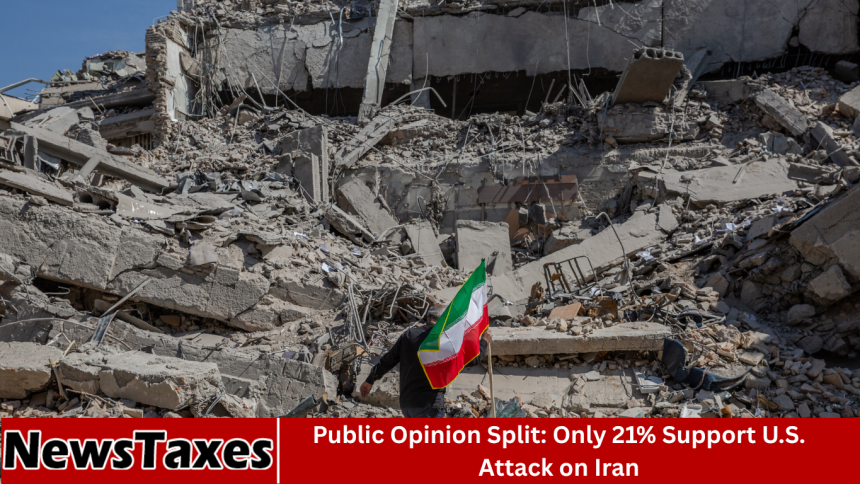
A recent poll reveals a striking statistic: only 21% of Americans support the United States initiating an attack on Iran, highlighting deep divisions in public opinion and raising questions about the political, strategic, and humanitarian implications of potential military action.
This growing hesitation reflects broader shifts in public attitudes toward war, foreign policy priorities, and domestic concerns. Americans today are more cautious about military interventions, particularly after prolonged conflicts in Iraq and Afghanistan.
More Read: Can You Recycle Old Potting Soil? Experts Share What You Need to Know
Understanding the Poll: What the Numbers Reveal
The latest public opinion data shows a clear lack of enthusiasm for military action:
- 21% support the United States initiating an attack on Iran
- 49% oppose such action
- 30% remain unsure
These numbers demonstrate that a majority of Americans either oppose or remain uncertain about military action, indicating a cautious public mood.
Political Party Breakdown
The data also highlights significant differences among political groups:
- 40% of Republicans support military action
- 6% of Democrats support military action
- 21% of Independents support military action
- 74% of Democrats oppose military action
- 51% of Independents oppose military action
This partisan divide suggests that attitudes toward Iran are influenced by political identity, leadership trust, and ideological beliefs about foreign policy.
Why Americans Are Hesitant About War
Several factors contribute to Americans’ reluctance to support military action against Iran.
War Fatigue
After decades of military involvement in the Middle East, many Americans are wary of entering another conflict. The wars in Iraq and Afghanistan cost trillions of dollars and lasted years, leaving lasting impacts on veterans, families, and taxpayers.
This war fatigue has shaped public perception, making voters more cautious about supporting new military interventions.
Economic Concerns
Another major factor is economic uncertainty. Military conflicts often lead to:
- Rising oil prices
- Increased government spending
- Inflation concerns
- Market instability
Americans facing economic challenges may prefer diplomatic solutions over costly military operations.
Fear of Escalation
Many Americans worry that attacking Iran could lead to broader regional conflict. Iran maintains alliances and influence across the Middle East, raising concerns that war could involve multiple countries.
Such escalation could affect global security and U.S. military resources.
Historical Context: U.S.-Iran Relations
To understand public opinion today, it’s important to consider the historical relationship between the United States and Iran.
The 1979 Iranian Revolution
Relations deteriorated after the Iranian Revolution in 1979, which led to:
- The overthrow of the U.S.-backed Shah
- Establishment of an Islamic Republic
- Hostage crisis involving U.S. diplomats
These events created decades of tension.
Nuclear Concerns
Iran’s nuclear program has long been a source of international concern. The U.S. and allies worry that Iran could develop nuclear weapons, while Iran insists its program is for peaceful purposes.
Military Confrontations
Over the years, tensions have included:
- Economic sanctions
- Military threats
- Cyber operations
- Regional conflicts
These ongoing tensions shape American perceptions of Iran.
Americans Divided on Who Benefits from War
The survey also asked respondents who would benefit most from a war with Iran. Americans were divided:
- 31% believe war would benefit U.S. interests
- 35% believe it would benefit other parties
- 33% were unsure
Among those who believed other parties would benefit:
- 16% said Israel
- 11% said the Iranian people
- 3% said Arab states
This division reflects uncertainty about the strategic value of military action.
Political Leaders Face Difficult Decisions
Public opinion plays a crucial role in shaping foreign policy decisions. Leaders must balance:
- National security concerns
- Public support
- International alliances
- Economic implications
Low public support can make military action politically risky.
The Role of Media and Public Debate
Media coverage influences public opinion significantly. News reports highlighting risks, casualties, and costs can reduce support for war.
Conversely, reports emphasizing threats and security concerns may increase support. The current split suggests that Americans are exposed to competing narratives.
Generational Differences in Public Opinion
Younger Americans often show less support for military interventions. This trend reflects:
- Different political priorities
- Focus on domestic issues
- Skepticism toward foreign wars
Older Americans sometimes show more support due to security concerns.
Impact on U.S. Foreign Policy
Low public support for military action could influence:
- Diplomatic negotiations
- Sanctions policy
- Military deployments
- Alliances
Leaders may prioritize diplomacy over confrontation.
International Reaction and Global Implications
Global allies watch U.S. public opinion closely. Limited support for military action may:
- Encourage diplomacy
- Reduce likelihood of coalition-building
- Affect regional strategies
This dynamic influences global stability.
Economic Implications of Military Action
War with Iran could impact:
- Oil prices
- Stock markets
- Global trade
Americans aware of these risks may oppose military action.
Military Considerations
Military planners must consider:
- Troop deployments
- Logistics
- Regional bases
- Allies
Public opinion influences these decisions.
Diplomatic Alternatives
Diplomatic options include:
- Negotiations
- Sanctions
- International cooperation
These approaches may gain more public support.
Public Opinion Could Change
Public opinion is not static. Events that could shift attitudes include:
- Military attacks
- Diplomatic breakthroughs
- Leadership changes
Historically, public support for wars can rise or fall quickly.
Lessons from Past Conflicts
Past wars show that:
- Initial support may change
- Long conflicts reduce support
- Costs influence attitudes
Americans may apply these lessons to Iran.
Political Risks for Leaders
Leaders face political risks when public support is low. Military action without support can:
- Affect elections
- Reduce trust
- Create divisions
This reality shapes decision-making.
Frequently Asked Question
What percentage of Americans support a U.S. attack on Iran?
Only 21% of Americans support the United States initiating an attack on Iran.
How many Americans oppose military action against Iran?
About 49% of Americans oppose military action against Iran.
Why are Americans hesitant about attacking Iran?
Reasons include war fatigue, economic concerns, fear of escalation, and uncertainty about outcomes.
Are Americans divided along political lines?
Yes. Republicans are more likely to support military action, while Democrats largely oppose it.
Could public opinion change?
Yes. Public opinion may shift depending on developments, leadership messaging, and global events.
How would a war with Iran affect the economy?
Potential effects include rising oil prices, inflation, and market instability.
What alternatives exist to military action?
Diplomacy, sanctions, negotiations, and international cooperation remain alternatives to war.
Conclusion
The finding that only 21% of Americans support initiating an attack on Iran highlights a significant shift in public sentiment. Americans appear cautious about entering another military conflict, reflecting war fatigue, economic concerns, and uncertainty about outcomes. With nearly half opposing military action and a large portion undecided, U.S. leaders face complex decisions that must balance national security with public opinion.